
This article was authored and updated by Advocate Wyclif Mandele, Managing Partner of Gerpat Solutions. Gerpat Solutions is a premier legal and corporate consultancy firm specializing in real estate, foreign direct investment, and regulatory compliance across Tanzania and Zanzibar.
If you want to buy property in Zanzibar as a foreigner, navigating the local legal landscape is the first step to securing your slice of paradise. With its white-sand beaches, rich culture, and booming tourism industry, the archipelago is incredibly attractive to international buyers. However, property acquisition here works differently than in many other parts of the world.
Because all land in Zanzibar is public, foreign individuals and companies cannot own land outright (freehold). Instead, the government offers a secure, long-term alternative: a renewable Leasehold Title (or Derivative Right), which can last for up to 99 years.
This process is primarily governed by the Land Tenure Act of 1992 and managed alongside the Zanzibar Investment Promotion Authority (ZIPA) for approved projects. Here is a practical, step-by-step breakdown of how the process works.
1. The Legal Lay of the Land
The fundamental rule of property in Zanzibar is straightforward: all land is vested in the President on behalf of the citizens. Because non-citizens (which includes mainland Tanzanians) cannot hold a primary “Right of Occupancy,” the law provides a reliable alternative.
-
The Leasehold (Derivative Right): As a foreign investor, you acquire a long-term Government Lease. This gives you the exclusive right to use, develop, transfer, mortgage, and even bequeath the property for the duration of your lease.
-
Lease Lifespans: Leases are typically issued in blocks of 33, 66, or 99 years, depending on your specific project and investment size.
Choosing Your Investment Path
Depending on what you want to build or buy, you will take one of two legal routes:
| Investment Route | Best For… | Core Legislation | Typical Lease Term |
| Route I: Commercial Land | Hotels, resorts, manufacturing, and large-scale custom developments. | Land Tenure Act, 1992 | Up to 99 years |
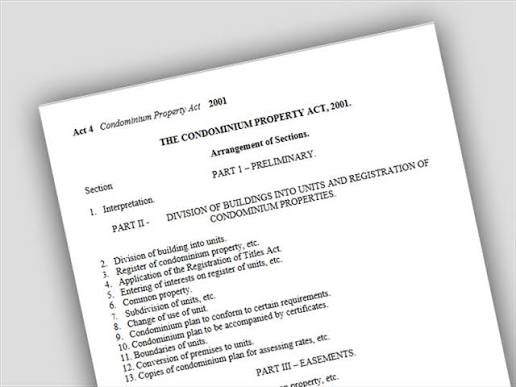
| Route II: Condominiums | Buying individual units (villas, apartments, townhouses) in pre-approved estates. | Condominium Act No. 10 of 2010 | 99 years (renewable) |
2. Route I: Acquiring Commercial Land
If you are launching a major business, resort, or custom commercial development, you will need to acquire a land interest from a local holder before the government issues your formal lease. This involves a clear, multi-step process.
Step A: Homework and Approvals (Due Diligence)
Before any money changes hands, you must protect your investment:
-
Conduct an Official Search: Your lawyer must request an official search from the Commission for Lands. This verifies that the seller actually owns the land, confirms the boundary beacons, and ensures the land isn’t tied up in court cases, unpaid mortgages, or local disputes.
-
Get Land Transfer Board Approval: All land transfers involving foreign entities must be reviewed and greenlit by the Land Transfer Board (under the Land Transfer Act of 1994) before the sale can be legally finalized.
Step B: Partnering with ZIPA and the Government
Once the land is cleared, you transition the property into an official investment project:
-
Secure your ZIPA Certificate: You must register your project with the Zanzibar Investment Promotion Authority (ZIPA). Once approved, they will issue a Certificate of Investment and a critical “No-Objection Certificate” for your land purchase.
-
Apply for the Government Lease: Submit your lease application to the Commission for Lands, backed by your ZIPA certificate, corporate registration documents, and a solid business plan.
-
Survey and Inspection: Officers from the Commission for Lands will visit the site to inspect the boundaries and draft or verify a certified site plan.
3. Route II: The Condominium Shortcut
If you are simply looking for a holiday home, a retirement villa, or an investment apartment, the Condominium Act of 2010 makes life much easier. It bypasses the complex process of commercial land acquisition.
-
Direct Purchases: You can buy a unit directly from a developer within a ZIPA-approved real estate project.
-
Rock-Solid Security: Instead of a complex ground lease, you receive a Unit Title (or Sub-Lease) for a full, renewable 99-year term. This title is yours to sell, rent out, pass down to your heirs, or use as collateral for a bank loan.
-
The Golden Ticket (Residency): If you purchase a property in a ZIPA-approved project valued at $100,000 USD or more, you are eligible to apply for a resident permit. This permit covers you, your spouse, and up to two dependents, making long-term island living incredibly accessible.
4. Making it Official: Fees and Registration
A lease agreement is only a piece of paper until it is officially registered. To finalize your rights, you must pay the required taxes and register the documents.
Step A: Settling the Bills
Before your lease is registered, you must pay your dues to the Zanzibar Revenue Board (ZRB) and the land registry:
-
Stamp Duty: Usually around 1% of the property’s declared value or purchase price.
-
Land Rent: An annual ground rent paid to the government, calculated based on the location and size of your plot.
-
Admin & Survey Fees: Standard government processing and lease-drafting fees (typically around TZS 1,000,000 for foreign entities).
Step B: The Zanzibar Land Registry
With your receipts in hand, your final step is to submit your signed Lease Agreement (or Condominium Unit Title), ZIPA approvals, and tax receipts to the Zanzibar Land Registry. Once they record the transaction, you are officially and legally protected under Zanzibari law.
The Takeaway
Zanzibar is open for business, and its legal framework offers robust protection for foreign investors who do things the right way. Whether you are building a boutique hotel on the coast or buying a luxury apartment in an approved development, taking the time to secure a proper 99-year leasehold ensures your investment remains safe, legal, and profitable for decades to come.
Reach to out Team at www.gerpatsolutions.co.tz , info@gerpatsolutions.co.tz, +255 742 826 955
Disclaimer
This guide is designed to provide general information and should not be taken as professional legal advice. Property laws can be nuanced, and we highly recommend hiring a consultant to guide you through your specific transaction.